The Best Daily Cleansing Routine For Dry Eyes
Published on Tuesday, 1st April 2025
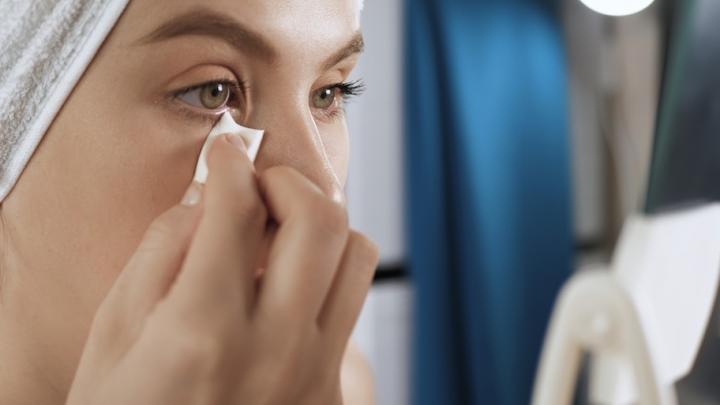
Did you know that whether or not you have been diagnosed with Dry Eye Disease there is a simple routine that you can follow every day to reduce your symptoms and make you feel more in control? In this article we will address why a routine is important and what to do to make your eyes more comfortable.
Why do I need a daily routine?
We are all familiar with the concept of cleaning our teeth twice a day. If we do not clean away the biofilm (plaque) that builds up on our teeth and gumline our gums become inflamed (gingivitis), can bleed, and our teeth may eventually fall out.
In the same way, if we do not clean away the biofilm that builds up on our eyelashes and eyelid margins, our eyelids can become inflamed, and eyelashes can become mis-directed or fall out. We may develop infections such as styes, and the inflammation can spread to other delicate structures of the eye, such as the meibomian glands, further exacerbating your symptoms and potentially causing long term damage.
What is the biofilm made of?
The ocular biofilm is made up of microorganisms that live on the skin around the eyes, primarily bacteria and demodex, together with their waste products, the sticky substance that they produce to stick themselves to the skin surface and dead skin cells. If not cleaned away it can harden over time, leading to visible crusts or dandruff like flakes on the eyelashes.
What is the best way to clean my eyelid margins?
1. Wash your hands thoroughly before you start
2. Completely remove all traces of make-up
3. Use a specialist lid cleaner according to the manufacturer’s instructions: there are many types available such as disposable wipes, foams or lotions
4. Avoid baby shampoo and bicarbonate of soda as these damage the delicate balance of the tears and worsen symptoms
5. Pay particular attention to the base of the eyelashes, especially if you are using false lashes or eyelash extensions
6. After thorough cleansing, spray your closed eyelids with a hypochlorous spray
7. Finish with a moisturiser, ensuring that it is suitable for use around the eyes. You can check out our blog on cosmetic ingredients to avoid if you are unsure
If you have a visible overgrowth (for example, crusts on your lashes) you may benefit from a specialist procedure, such as a Zest treatment or a Nulids Pro session to gently debride the eyelid margins and give yourself a clean slate to start from; rather like going to the dentist for a scale and polish.
Conclusion
If you thoroughly cleanse your eyelids daily, you will be going a long way to preventing the local build-up of inflammation that is one of the causes of Dry Eye Disease. If you are already a confirmed sufferer, you will be taking control of your symptoms and giving yourself the best chance of reducing them over time. You will be making your eyes feel cleaner, more comfortable and more open. Remember, this is called a routine for a reason: it is not a quick fix; it is a lifelong habit – just like cleaning your teeth.
If you would like a bespoke version of this routine talk to your optometrist or Dry Eye practitioner who would be pleased to help.
NB if you have already been seen by a Dry Eye specialist you will have been given a personalised version of this routine. It is important that you follow the advice of your practitioner.
You may also like

Lacrifill Dry Eye Treatment in Newcastle Upon Tyne
Lacrifill is a new treatment for Dry Eyes. This article explores what it is, what you can expect at your appointment, who it is for, and shares some of our experiences with Lacrifill.
Does Heat Really Help Dry Eyes?
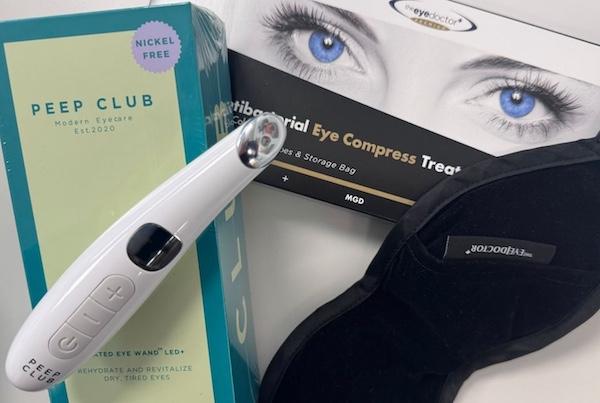
Why you may have ben advised to use a heated compress to relieve your dry eye symptoms, how to use it and why caution may be advised

Understanding and Managing Menopausal Dry Eye
Are you experiencing changes in your eye comfort? Causes of Dry Eye Disease in menopause, what you can do to relieve your symptoms and when to seek specialist help